

Top-Rated Bed Sheet Materials for Sensitive Skin: A Science-Backed Guide
For the estimated 60% to 70% of women and 50% to 60% of men who report having sensitive skin, bedtime can present an unexpected challenge. While a good night’s sleep is essential for skin barrier recovery, improper bedding materials often trigger nighttime itching, eczema flare-ups, heat rash, and contact dermatitis.
The culprit is usually a combination of rough fiber friction, trapped heat, moisture retention, and residual manufacturing chemicals. Upgrading to top-rated bed sheet materials for sensitive skin creates a low-friction, hypoallergenic microclimate that protects your skin barrier overnight.
What Makes a Bed Sheet Safe for Sensitive Skin?
When evaluating bedding for reactive or eczema-prone skin, dermatologists emphasize three critical physical properties:
- Fiber Smoothness (Low Friction): Rough or stiff fibers create mechanical friction against bare skin. Over 8 hours of sleep, this micro-chafing breaks down the stratum corneum (the skin’s outermost protective layer).
- Breathability & Thermoregulation: Overheating triggers sweat production. Trapped sweat alters skin pH and encourages bacterial overgrowth (such as Staphylococcus aureus), a major driver of eczema and acne flare-ups.
- Absence of Harsh Residues: Synthetic finishes like formaldehyde-releasing resins used for “wrinkle-free” claims are known contact allergens.
The 4 Top-Rated Bed Sheet Materials for Sensitive Skin
Below are the most effective materials recommended by dermatologists and textile specialists for reactive skin.
Organic Cotton (GOTS-Certified)
It is suitable for veryday reliability, chronic eczema, and budget-conscious buyers.
100% organic cotton remains the gold standard recommended by organizations like the National Eczema Association and the American Academy of Dermatology. Unlike conventional cotton, organic cotton is grown without synthetic pesticides and processed without harsh chemical dyes or toxic bleaching agents.
Its key benefits are highly breathable and naturally hypoallergenic. Therefore, let’s choose long-staple or extra-long staple (ELS) varieties such as Pima or Egyptian cotton. Longer fibers yield smoother threads with fewer loose ends to prickle the skin.
Luckily, we are offering the 100% organic cotton bet sheets. You can take a look and get the best one if you love it.
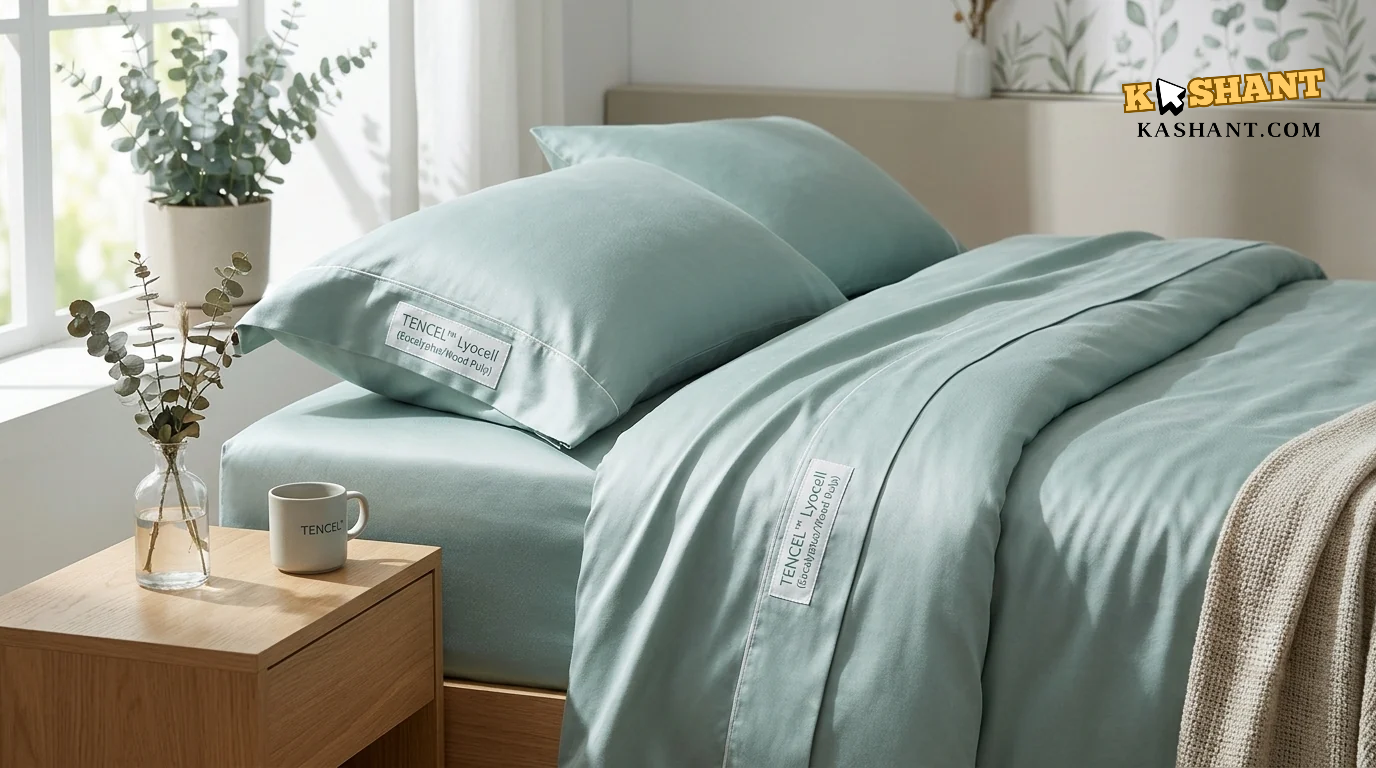
TENCEL™ Lyocell (Eucalyptus/Wood Pulp)
It is the best option for hot sleepers, night sweats, and active acne.
TENCEL™ is a branded lyocell fiber derived from sustainably harvested wood pulp. In clinical textile testing, lyocell fibers exhibit a significantly smoother surface structure than standard cotton, resulting in noticeably less mechanical skin friction.
Besides that, it comes with superior moisture management. According to fiber testing data, TENCEL™ wicks moisture up to 50% more efficiently than conventional cotton. By keeping the skin dry and cool, it minimizes conditions that foster bacterial proliferation.
What’s more? Hypoallergenic profile is also an outstanding feature. Lyocell’s closed-loop production process recycles 99% of solvent fluids, leaving the finished fabric virtually free of residual chemical irritants.
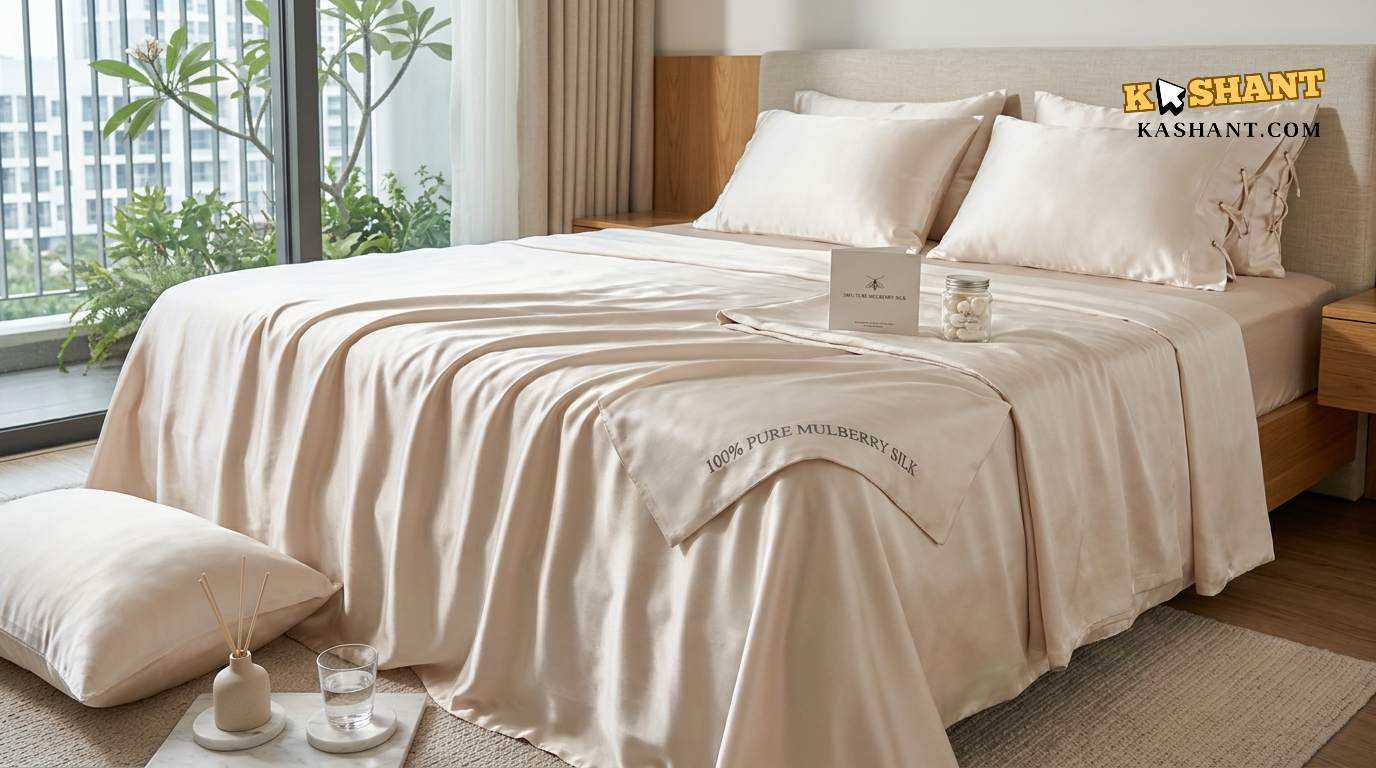
100% Pure Mulberry Silk
This option is for facial dermatoses, dry/aging skin, and extreme skin sensitivity.
Pure Mulberry Silk (grade 6A, 19 to 22 momme) offers the lowest friction coefficient of any bedding material. Silk is composed of natural animal proteins (fibroin) containing 18 essential amino acids that closely mirror the natural building blocks of human skin.
This material has zero-friction gliding. In other words, silk lets skin and hair slide across the pillowcase without pulling or creasing. Moisture retention is also an advantage. Unlike cotton, which absorbs natural oils and night creams, silk resists moisture absorption, leaving your skin barrier hydrated overnight.
Dr. Patricia Farris, a board-certified dermatologist, notes that smooth silk pillowcases help reduce mechanical trauma to delicate facial skin, making them ideal for patients managing facial eczema or rosacea.
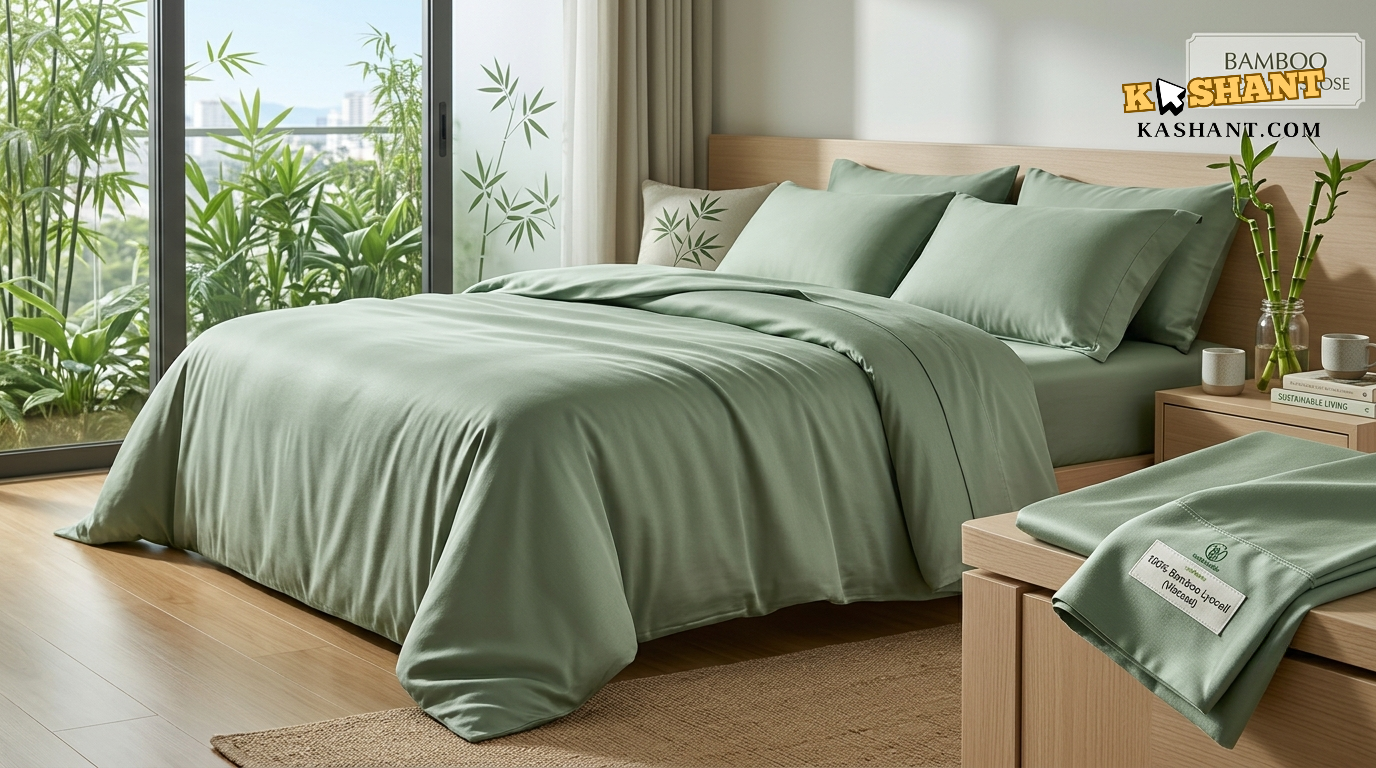
Bamboo Lyocell / Viscose
It is a great suggestion for allergy sufferers, thermal regulation, and silk-like softness at a mid-tier price.
Bamboo-derived fabrics are soft, naturally cool to the touch, and naturally resistant to dust mites. When shopping, choose Bamboo Lyocell over standard bamboo viscose whenever possible. Bamboo Lyocell utilizes an eco-friendly processing method free of harsh chemicals, producing a purer, ultra-smooth sheet that is less likely to react with delicate skin.
| Material | Friction Level | Moisture Wicking | Ideal For | Key Certification to Check |
|---|---|---|---|---|
| Organic Cotton | Low | Moderate | Eczema, sensitive skin, all-season | GOTS, OEKO-TEX Standard 100 |
| TENCEL™ Lyocell | Very low | High (+50% vs cotton) | Nigh sweats, acne, hot sleepers | OEKO-TEX, TENCEL™ Brand Mark |
| Mulberry Silk | Lowest | Low (Preserves skin hydration) | Facial aczema, anti-aging, dry skin | OEKO-TEX Standard 100 |
| Bamboo Lyocell | Very low | High | Allergy patients, temperature regulation | OEKO-TEX Standard 100 |
Bed Sheet Materials You Should Avoid
If you suffer from reactive skin or contact allergies, avoid the following fabrics against bare skin:
- 100% Polyester & Microfiber: Synthetic petroleum-based fibers trap heat and body moisture, creating a microclimate where bacteria flourish. Microfiber also generates static electricity, which attracts dust mites and pollen.
- Wrinkle-Free / Easy-Care Fabrics: These textiles are frequently treated with formaldehyde resins to resist creasing. Formaldehyde is a known cause of allergic contact dermatitis.
- Standard Wool: Coarse wool fibers (above 21 microns) physically prick the skin, triggering histamine releases and severe scratching responses.
Bonus: Professional Recommendations for Spa & Aesthetic Clinic Owners
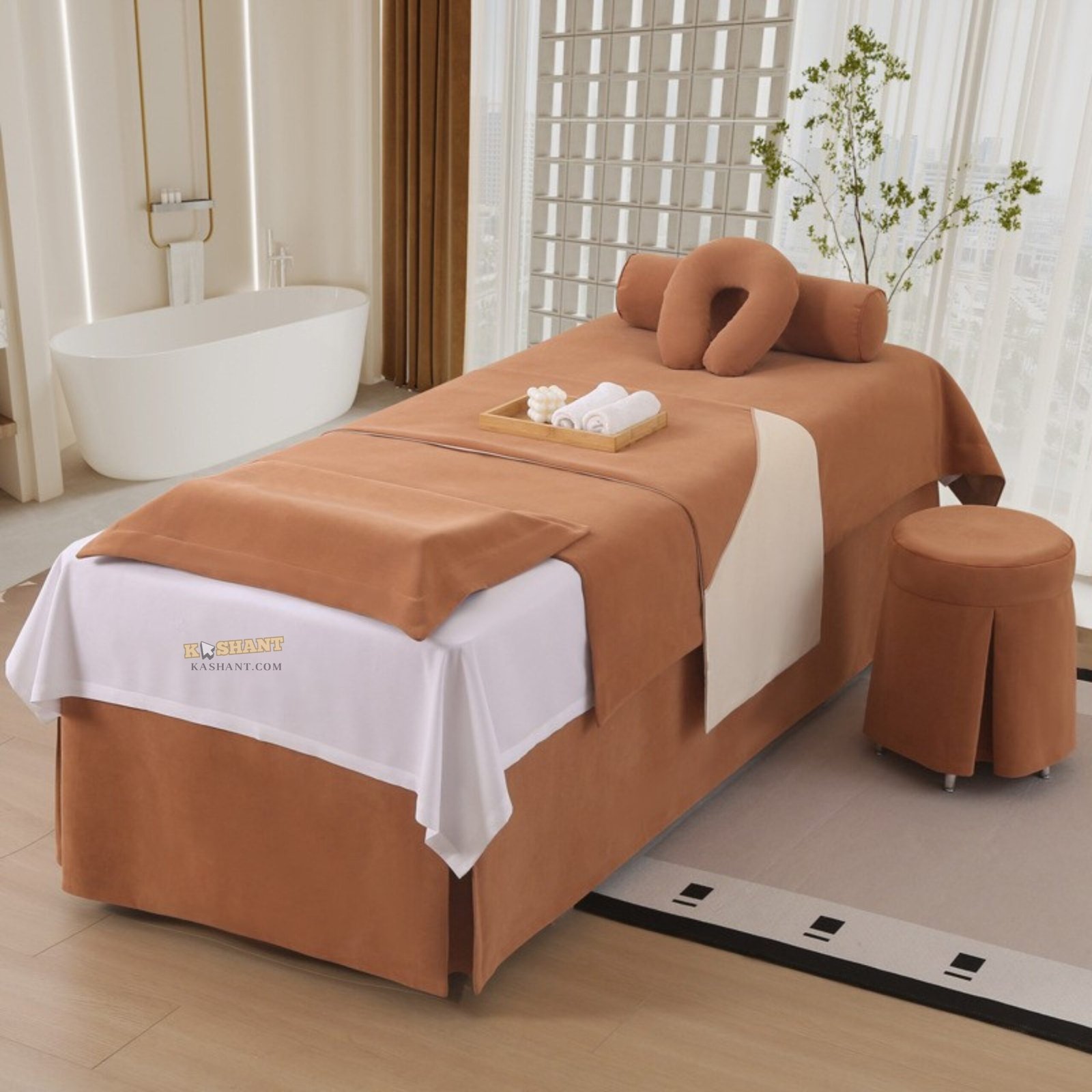
For commercial spa owners, medical estheticians, and salon managers, selecting the right bed sheets goes beyond client comfort – it directly impacts your brand reputation, client skin safety, and long-term operating costs.
Prioritize High-Durability TENCEL™ or Bamboo Lyocell: Spas require frequent high-temperature laundering to maintain hygiene. TENCEL™ and Bamboo Lyocell hold up exceptionally well to industrial washing while maintaining their silky, ultra-smooth texture over time.
Go for Stain-Resistant & Non-Reactive Fabrics: Organic Cotton (Sateen weave) is highly resilient against massage oils, facial serums, and body wraps. Ensure fabrics carry OEKO-TEX Standard 100 Class 1 certification to guarantee zero residual toxins touch clients undergoing sensitive skin treatments, chemical peels, or micro-needling.
Opt for Neutral, Calming Tones: White, cream, or soft muted tones not only signal medical-grade cleanliness but also withstand bleach-alternative sanitizers without fading.
Investing in dermatologically safe, premium spa linens reassures clients with reactive or sensitive skin that their comfort and safety are your top priorities from the moment they lie down.
Final Verdict
To protect sensitive or eczema-prone skin, prioritize OEKO-TEX or GOTS-certified Organic Cotton for classic comfort, TENCEL™ Lyocell for night sweats and acne, or Mulberry Silk for ultra-low friction care. Investing in high-quality, non-toxic bedding keeps your sleep environment cool, dry, and irritation-free all night long.



Leave a Reply