head spa bed vs shampoo chair

Head Spa Bed vs Shampoo Chair: What Does Your Salon Actually Need?

Choosing the right shampoo station is more important than many salon owners realize. It affects your service menu, customer comfort, stylist workflow, and even how clients perceive the overall quality of your salon. But when it comes to investing in new equipment, one question often comes up: Should you choose a head spa bed vs shampoo chair? Both options are designed to make hair-washing services easier and more comfortable. However, they serve different purposes and offer different business opportunities. A traditional shampoo chair is a practical choice for everyday hair-washing routines, while a head spa bed is designed to create a more immersive relaxation and scalp-care experience. So, which one is the better investment for your business? Let's compare their features, benefits, costs, and ideal applications to help you make the right decision.
Understanding the Difference: Head Spa Bed Vs Shampoo Chair

First of all, let's look at what makes these two pieces of salon equipment different.

What Is a Head Spa Bed?

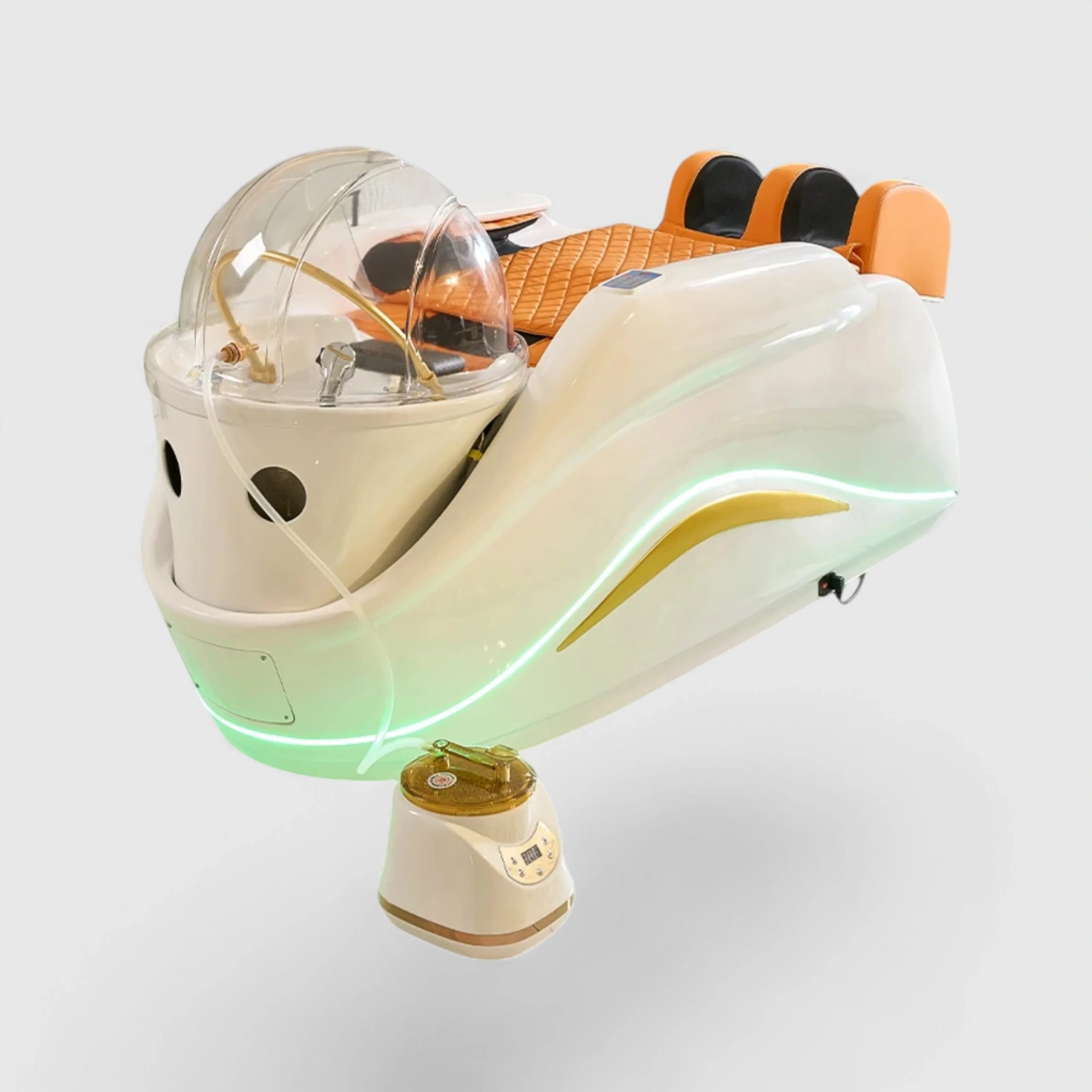
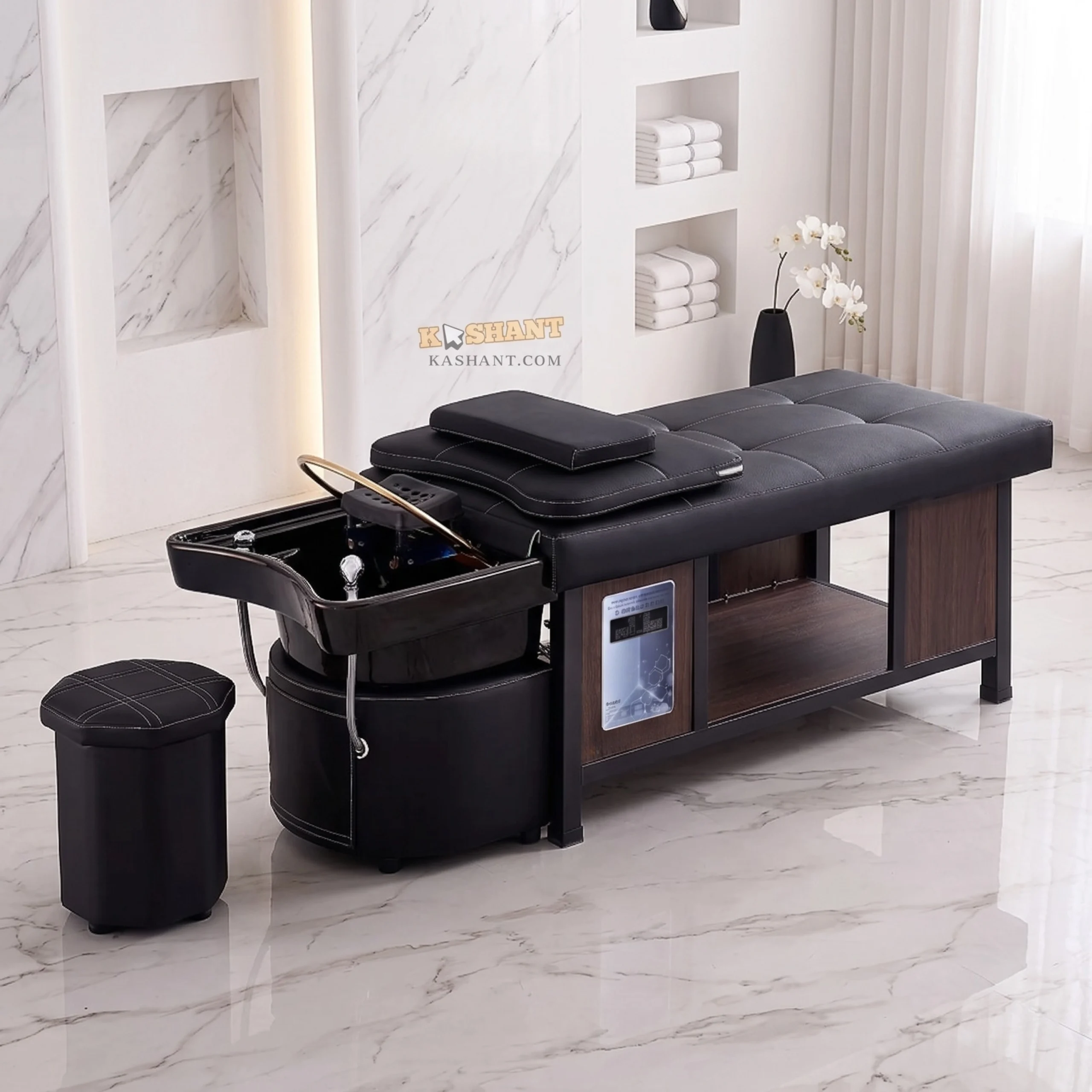
In our previous blog post, we introduced what is a head spa and also touched upon the "head spa bed." However, in this section, I will provide a brief recap. A head spa bed is a specialized treatment bed designed for scalp care, head spa treatments, and relaxation services. Unlike conventional shampoo stations, it typically allows clients to lie down in a more comfortable, reclined, or fully horizontal position. Many modern head spa beds feature an integrated ceramic shampoo basin, ergonomic neck support, adjustable settings, and additional features such as water circulation systems, steam functions, or massage capabilities, depending on the model. What's more, some advanced models are designed specifically for Japanese and Korean-inspired head spa treatments, where scalp cleansing, massage, and relaxation are combined into one service. Imagine your client lying comfortably on a spa bed while enjoying a warm scalp treatment, gentle water flow, and a relaxing head massage. It is more than just washing hair; it creates an experience that clients may want to return for. Head Spa Bed vs Shampoo Chair - Head spa bed 1

What Is a Traditional Shampoo Chair?

A shampoo chair, also known as a shampoo bowl chair or backwash unit, is a standard piece of equipment in most hair salons. It usually consists of a cushioned chair paired with a shampoo basin. Clients sit back, tilt their heads toward the basin, and receive hair-washing services while the stylist works from behind. Its main purpose is functionality. It makes everyday salon tasks such as shampooing, rinsing, conditioning, and preparing hair for cutting or coloring more convenient. Compared with a head spa bed, a traditional shampoo chair generally takes up less space and is easier to integrate into an existing hair salon. Head Spa Bed vs Shampoo Chair - Shampoo Chair 1

Head Spa Bed Vs Shampoo Chair: 5 Key Differences

Now that we understand their basic functions, let's compare the two options based on the factors that matter most to salon owners.

Client Comfort and Treatment Experience

The first point is client comfort. A traditional shampoo chair provides adequate support for short hair-washing sessions. However, keeping the neck tilted backward against a shampoo basin may become uncomfortable for some clients, especially during longer treatments. A head spa bed offers a different experience. Its lying-down design distributes body support across a larger surface, while an ergonomic neck cushion helps support the head during scalp treatments. This makes it particularly suitable for services lasting 30–90 minutes, depending on your treatment protocol. Our recommendation: If your salon wants to provide more relaxing, extended scalp-care services, a head spa bed is worth considering. After all, clients who book a premium treatment often expect more than a quick shampoo and rinse!

Functions and Treatment Versatility

Another aspect you should take notice of is functionality. A traditional shampoo chair is primarily designed for basic hair-washing tasks. Some models offer reclining backrests, adjustable height, and comfortable upholstery, but their functions are generally focused on conventional shampoo services. Meanwhile, a head spa bed can support a wider range of treatments, depending on its configuration:
  • Deep scalp cleansing and exfoliation.
  • Japanese and Korean-inspired head spa treatments.
  • Scalp massage and relaxation.
  • Hair and scalp conditioning treatments.
  • Steam-assisted hair treatments, where supported by the equipment.
Furthermore, certain head spa beds come with smart temperature controls, integrated water systems, and adjustable treatment settings. This versatility gives salon owners more opportunities to develop specialized service packages rather than relying entirely on traditional shampooing.

Space Requirements and Salon Layout

Next, consider how much space you have available. Traditional shampoo chairs are usually easier to fit into compact salon layouts. They work well in standard backwash areas, particularly when you need multiple washing stations to serve several clients simultaneously. Head spa beds generally require more dedicated space because of their larger treatment surfaces and additional equipment. Besides that, you should consider plumbing connections, electrical outlets, water drainage, and the space required for stylists to move comfortably around the bed. Before purchasing, measure your available floor space and check the manufacturer's installation requirements. A beautiful head spa bed will not be a smart investment if it makes your treatment room difficult to navigate!

Business Investment and Revenue Opportunities

Of course, budget is another important consideration when we compare Head Spa Bed vs Shampoo Chair. Traditional shampoo chairs are generally a more straightforward investment for salons that primarily provide haircuts, coloring, and everyday washing services. Head spa beds may require a higher initial investment, especially when choosing models with integrated water systems, heating functions, or additional treatment features. However, the business value of a head spa bed should not be evaluated by its purchase price alone. For example, a salon could introduce a dedicated 60-minute head spa package instead of offering only basic shampoo services. The owner can then calculate its potential profitability based on the actual service price, product costs, labor, operating expenses, and appointment availability. There is also a broader employment trend worth considering. According to the U.S. Bureau of Labor Statistics (BLS), employment of barbers, hairstylists, and cosmetologists is projected to grow by 7% from 2025 to 2035, with approximately 80,300 job openings annually over that period. Although these figures do not directly measure demand for head spa equipment, they provide useful context about the US personal-care service industry and its employment outlook. For salon owners, the takeaway is simple: choose equipment that supports the services your customers actually want and that your team can deliver profitably.

Maintenance and Daily Operation

The next feature to consider is maintenance. A traditional shampoo chair typically has a relatively simple setup, making routine cleaning and maintenance more straightforward. A head spa bed may involve additional components, including water pumps, drainage systems, heating elements, and electronic controls. These features can enhance the treatment experience, but they also require proper cleaning and regular inspection. For both options, pay attention to:
  • Water-resistant and easy-to-clean upholstery.
  • Durable basin materials.
  • Reliable plumbing connections.
  • Comfortable and supportive neck cushions.
  • Manufacturer warranty and replacement-part availability.
Our advice for Head Spa Bed vs Shampoo Chair? Don't focus only on appearance. A piece of equipment that is easy to maintain can save your salon considerable time during busy working days.

Head Spa Bed Vs Shampoo Chair: Which One Should Your Salon Choose?

So, which option makes more sense for your business? The answer depends on your service model and long-term goals. Choose a Shampoo Chair If:
  • Your primary services are haircuts, coloring, blowouts, and regular shampooing.
  • You operate a traditional hair salon with frequent client turnover.
  • Your available floor space is limited.
  • You want a practical, straightforward shampoo station.
  • Your budget prioritizes essential salon equipment.
For example, a busy hair salon serving 15–20 clients daily may benefit more from installing several reliable shampoo stations than investing in a specialized head spa bed that is only used occasionally. Choose a Head Spa Bed If:
  • You want to introduce premium scalp-care and relaxation services.
  • Your salon specializes in Japanese or Korean-inspired head spa treatments.
  • You operate a spa, beauty studio, or salon with a dedicated treatment room.
  • You want to offer longer, experience-focused appointments.
  • You have the space, plumbing, and budget to support specialized equipment.
If you are planning to build a premium head spa business, investing in a comfortable, well-designed treatment bed can help create the professional atmosphere your clients expect. Head Spa Bed vs Shampoo Chair: Can You Have Both? Absolutely! In fact, this may be the most practical solution for growing salons. A traditional shampoo chair can handle everyday washing, rinsing, and conditioning, while a head spa bed can be reserved for specialized treatments. This arrangement allows you to serve different customer needs without forcing every client into the same service experience.

What Should You Look for Before Buying a Head Spa Bed?

If you decide that a head spa bed is the right choice, don't rush into purchasing the first attractive model you find. Here are five important features to evaluate:
  • Ergonomic design: Look for comfortable body support, an appropriate bed height, and a well-designed neck cushion to help clients relax during extended treatments.
  • Basin quality: A durable ceramic basin with a comfortable neck-support area can make a noticeable difference in everyday use.
  • Water and temperature control: Check whether the model offers adjustable water flow, temperature settings, and a reliable drainage system.
  • Upholstery and construction: Choose easy-to-clean, water-resistant materials and a sturdy frame designed for regular salon operation.
  • After-sales support: Confirm the warranty, installation requirements, maintenance instructions, and availability of replacement parts before placing your order.
  • Remember, the best head spa bed is not necessarily the one with the most features. It is the one that matches your treatment menu, space, and daily business operations.

Final Thoughts: Head Spa Bed vs Shampoo Chair

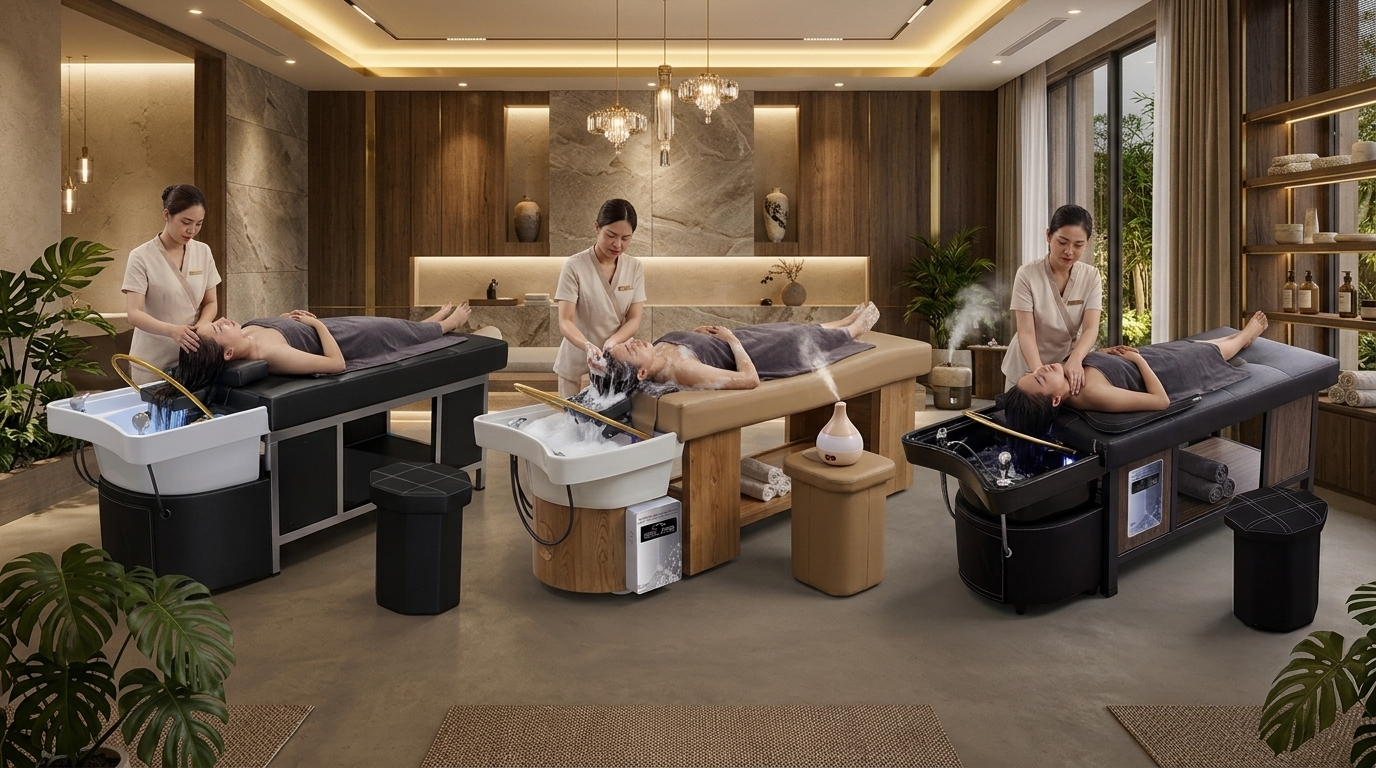
Ultimately, the choice between a head spa bed vs shampoo chair comes down to what you want your salon to offer. If your priority is everyday hair-washing efficiency, a traditional shampoo chair remains a reliable and practical solution. However, if you want to expand into premium scalp treatments and create a more relaxing client experience, a head spa bed may open up new possibilities for your business. And if your budget and floor plan allow it, combining both options can give your salon greater service flexibility. Ready to upgrade your salon equipment? Explore KaShant's collection of professional head spa beds and shampoo bed chairs to find a solution that fits your business. Whether you are opening a new salon or upgrading an existing treatment room, the right equipment can help you create a more comfortable and professional experience for every client.
Read more...
what is a head spa

What Is a Head Spa? Services, Setup, and Equipment Explained

Originating in Japan, a head spa is a holistic wellness and scalp care treatment that merges traditional acupressure massage, aromatherapy, hydrotherapy, and deep-cleansing dermatological care. Unlike a standard salon wash that focuses on styling hair, a head spa treats the scalp as an extension of facial skin - clearing clogged follicles, stimulating blood circulation, and relieving nervous system tension. The surge in consumer demand is backed by hard market data. According to Grand View Research, the global scalp care market was valued at USD 14.32 billion in 2023 and is projected to grow at a compound annual growth rate (CAGR) of 7.3% through 2030 (Grand View Research). Simultaneously, wellness industry tracking shows that consumer interest in "skinification of hair" - treating scalp health with the same rigor as facial skincare which has become one of the fastest-growing segments in the $1.8 trillion global wellness economy (Global Wellness Institute). Whether you are a beauty consumer exploring the treatment or a salon owner looking to add a high-margin service, here is a complete breakdown of head spa services, spatial setup, and essential equipment. Let's get started now!

What Is a Head Spa: Core Head Spa Services

First of all, a standard head spa session lasts between 45 and 90 minutes and typically commands an average service ticket of $120 to $250 in North American and European markets (American Spa). While menus vary, most protocols follow a structured five-stage progression:
  • Microscopic Scalp Analysis: Using a high-magnification trichology camera (typically 200x zoom), a specialist examines the scalp for sebum buildup, dryness, inflammation, or follicle miniaturization before selecting custom botanicals.
  • Detoxification & Exfoliation: Oil-based cleansers, salicylic acid serums, or fine botanical scrubs break down oxidized sebum, dead skin cells, and styling product residue.
  • Micro-Mist Steam Therapy: Warm, ionized steam opens hair cuticles and scalp pores, allowing active ingredients to penetrate deeper while relaxing tight cranial muscles.
  • Water Halo & Acupressure Massage: A signature gold or stainless-steel water circulation ring ("waterfall halo") cascades warm water across the hairline while the practitioner performs rhythmic lymphatic drainage and Shiatsu acupressure along the scalp, neck, and shoulders. Clinical studies on standardized scalp massage have demonstrated that consistent mechanical stimulation increases dermal papilla cell activity and promotes measurable increases in hair thickness over 24 weeks (Eplasty / National Library of Medicine).
  • Nourishing Mask & Blow-Dry Finish: A targeted hydration mask or peptide serum is sealed into the scalp and strands, followed by a gentle towel dry or blowout.

Head Spa Setup: Spatial & Plumbing Requirements

Designing a profitable head spa requires balancing serene sensory aesthetics with strict commercial utility standards. Unlike a standard hair station, a head spa operates closer to a wet-room medical spa. what is a head spa 1

Space Allocation & Acoustics

Minimum Footprint: Allocate at least 80 to 100 square feet (7.5 to 9.3 sq meters) per treatment suite. This ensures comfortable clearance around the bed for the practitioner to move from the crown to the shoulders without obstruction. Acoustic Isolation: Because relaxation is a primary selling point—with 76% of consumers citing stress reduction as a top motivator for booking spa services (International SPA Association - ISP - treatment rooms should be separated from noisy hair-drying zones using sound-dampening drywall or heavy acoustic curtains.

Plumbing, Drainage & Water Heating

Floor vs. Wall Drainage: Most professional head spa beds require dedicated hot and cold water supply lines plus a floor drain directly beneath or behind the basin. Retrofitting concrete floors for drainage is often the largest hidden renovation expense, averaging $2,500 to $6,000 per station depending on local commercial plumbing codes. Tankless Water Heater: Continuous waterfall halos consume substantial warm water. A commercial-grade tankless water heater is essential to maintain a steady water temperature between 100°F and 104°F (38°C–40°C) across back-to-back appointments.

Lighting & Ventilation

Dimmable Indirect Lighting: Avoid overhead fluorescent bulbs that shine directly into a supine client's eyes. Install recessed perimeter LEDs with warm color temperatures (2700K–3000K) on dimmer switches. Humidity Control: Micro-mist steamers and warm water arches elevate room humidity rapidly. Install commercial exhaust ventilation rated for at least 80 to 110 CFM per room to prevent mold growth and protect drywall.

What Is a Head Spa: Main Head Spa Equipment Checklist

Investing in durable, ergonomic equipment protects practitioners from repetitive strain while delivering the viral "waterfall" experience clients expect.
Equipment Category Key Specifications to Look For Est. Cost (USD) Pro Buying & ROI Tip
Head Spa Shampoo Bed Full-body lie-flat ergonomic cushioning, deep ceramic or acrylic basin, silicone neck rest, and integrated brass/stainless-steel water circulation arch. $1,800 – $4,500 Choose waterproof PU leather and verify local plumbing fitting compatibility (1/2" NPT) before importing.
Micro-Mist Hair Steamer Ultrasonic atomization (finer mist than traditional steamers), digital timer, ozone sterilization mode, and a clear dome hood that seals around the hairline. $400 – $1,200 Always use distilled water to prevent mineral scale buildup inside the ultrasonic transducer.
Digital Scalp Scope 200x magnification lens, dual white/UV polarized light modes (detects sebum & bacteria), and Wi-Fi tablet connectivity for before-and-after photos. $150 – $500 Highest retail ROI tool—showing clients clogged follicles visually boosts take-home serum sales by over 40%.
Fumigation & Oil Infuser Water-compatible aromatherapy unit designed to safely disperse pure essential oils into the recirculating waterfall halo without clogging nozzles. $100 – $300 Flush the internal line with warm water and mild vinegar weekly to avoid oil residue accumulation.
Towel Warmer & UV Sterilizer Dual-cabinet stainless steel interior capable of holding 24–36 cotton towels at a consistent 158°F (70°C) with built-in UV sanitization. $150 – $350 Pre-roll damp towels infused with eucalyptus oil each morning for a signature hot-towel neck wrap.
Ergonomic Practitioner Stool Pneumatic height adjustment (18"–24"), smooth-rolling hair-resistant casters, and lumbar/saddle support for 60-minute seated massages. $120 – $300 Prevents wrist and lower-back fatigue for stylists performing 4+ consecutive treatments daily.
Water Filtration & Softener System Multi-stage inline carbon and mineral filter that removes chlorine, heavy metals, and hard water calcium before water hits the scalp. $200 – $600 Essential in hard-water cities; protects color-treated hair and prevents white scale spots on black/gold basins.
Rolling Apothecary Trolley 3-tier silent-wheel utility cart with stainless steel mixing bowls, bamboo scalp brushes, gua sha combs, and timer display. $90 – $220 Keeps tools within arm's reach so the practitioner never has to break physical contact during massage phases.

The Business Case: Why Salons Are Adding Head Spas?

For salon and spa owners, a head spa bridges the gap between high-frequency hair services and high-ticket wellness treatments. According to data from the Professional Beauty Association (PBA), salons that diversify into specialized scalp and wellness treatments report higher client retention and stronger retail attachment rates, as clients who view their scalp condition under a 200x camera are significantly more likely to purchase prescribed take-home serums and exfoliants (Professional Beauty Association). With startup equipment costs per suite typically ranging between $3,000 and $7,000 (excluding major plumbing construction), a single head spa station running just four appointments a day at $150 per session can generate $18,000 in monthly gross service revenue, allowing most operators to recoup equipment investments within the first two to three months of operation.

What Is a Head Spa: Final Words

Launching a profitable head spa starts with investing in the right centerpiece. Your shampoo bed is not just a piece of furniture - it is the foundation of the client’s sensory experience and your practitioner’s daily ergonomics. Cutting corners on basin depth, water circulation precision, or upholstery durability can quickly lead to costly leaks and uncomfortable sessions. At KaShant, we engineer commercial-grade head spa beds designed specifically for modern salons, med-spas, and wellness studios. From full-body ergonomic beds with built-in waterfall halos to integrated micro-mist fumigation systems, every unit is built for effortless plumbing installation, long-term durability, and maximum client comfort. Now, it's time for you to explore our full collection of KaShant Head Spa Beds to compare models, technical specifications, and custom upholstery options.
Read more...

What Are the Different Types of Spa Beds Available?

Choosing the right spa bed is more important than you might think. After all, a comfortable treatment bed does more than simply support your clients during a service. It also helps beauty professionals work efficiently, creates a welcoming treatment environment, and contributes to the overall customer experience. In fact, the growing spa industry makes investing in professional equipment an increasingly important consideration. According to the International SPA Association (ISPA)'s 2025 U.S. Spa Industry Study, the U.S. spa industry generated $22.5 billion in revenue in 2024, an increase of 5.8% from 2023. Furthermore, the industry recorded 187 million spa visits across 21,980 spa locations during the same year. Interestingly, average revenue per visit also increased by 2.6%, reaching $120.30. These figures demonstrate the scale of the spa market and the opportunities available to spa businesses. However, providing an excellent client experience starts with choosing equipment that matches your services. So, what are the different types of spa beds available, and which one is right for your business? Let's take a closer look!

Different Types of Spa Beds Available

Massage Tables: A Classic Choice for Relaxation Treatments

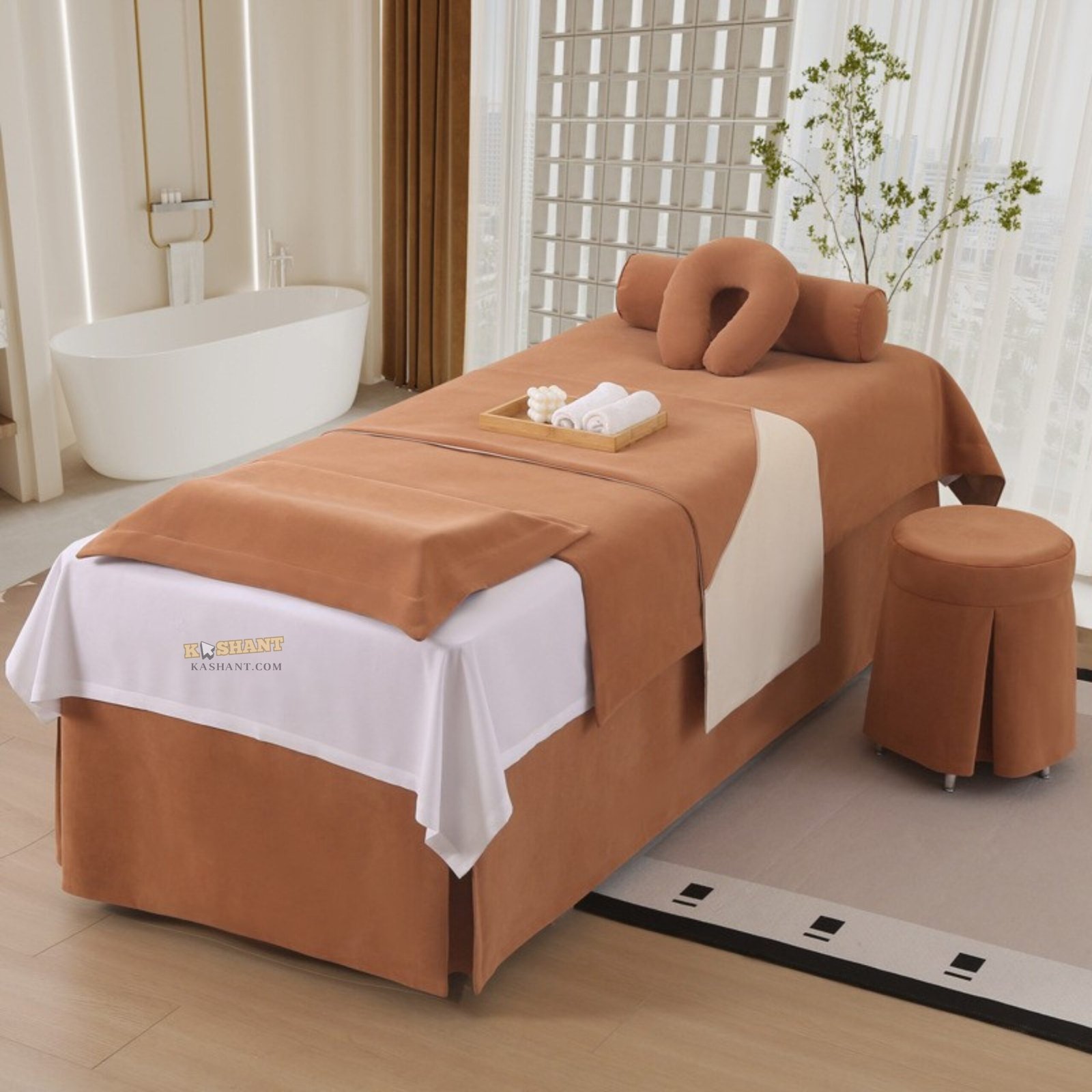
First of all, massage tables are among the most familiar types of spa treatment beds. They are specifically designed to support clients during different massage services, including Swedish massage, deep tissue massage, aromatherapy, and full-body relaxation treatments. Most professional massage tables come with cushioned surfaces, adjustable headrests, and sturdy frames made from wood or metal. Depending on your business needs, you can choose between stationary models and portable designs. What's more, some advanced models offer adjustable sections that allow therapists to position clients more comfortably throughout a treatment. Key features to look for:
  • Comfortable foam padding for extended massage sessions.
  • Adjustable headrests and face cradles.
  • Strong wooden or metal frames for stability.
  • Portable or foldable designs for flexible use.
Best for: Massage therapists, day spas, wellness centers, and mobile massage professionals. If your spa focuses mainly on traditional massage services, a high-quality massage table is an excellent starting point. It is a practical investment that can support your everyday operations.

Electric Spa Beds: Convenience Meets Modern Technology

Next, let's talk about electric spa beds. These professional treatment beds are designed with motorized adjustment systems, allowing beauty professionals to change the bed's height and positioning with minimal physical effort. Unlike traditional fixed-height beds, electric models typically use a hand remote or foot pedal to control different sections. Depending on the model, you may be able to adjust the backrest, leg support, and overall bed height independently. Furthermore, some premium electric spa beds include additional features such as built-in heating systems, adjustable headrests, and multiple positioning options. electric spa bed Key features to look for:
  • Motorized height and backrest adjustments.
  • Convenient hand remote or foot controls.
  • Multiple positioning options for different treatments.
  • Optional heating systems and comfort features.
Best for: Luxury spas, beauty clinics, esthetician studios, and multifunctional treatment rooms. One major advantage of electric spa beds is convenience. Imagine having to manually adjust a treatment bed several times throughout a busy working day. An electric adjustment system can make this process much easier! For businesses offering multiple treatments, this type of bed is certainly worth considering.

Facial and Esthetician Beds: Designed for Beauty Treatments

Another popular option is the facial or esthetician bed. As the name suggests, these beds are designed for skincare and beauty services where clients need to remain comfortably positioned for an extended period. They are commonly used for facials, skin cleansing, exfoliation, facial massage, waxing, and other non-invasive beauty treatments. Compared with traditional massage tables, facial beds often provide more flexible positioning options. For example, adjustable backrests and leg sections allow professionals to position clients according to the specific treatment being performed. facial bed or lash bed Key features to look for:
  • Adjustable backrests and leg support.
  • Cushioned surfaces for client comfort.
  • Waterproof or easy-to-clean upholstery.
  • Stable construction for professional use.
Best for: Facial studios, skincare clinics, beauty salons, and esthetician businesses. If your business specializes in skincare, choosing a dedicated facial bed can make a noticeable difference in your treatment setup. Also, don't overlook the upholstery material. A surface that is easy to clean can save time between appointments and help maintain a professional environment.

Wet Treatment Tables: Perfect for Water-Based Spa Services

The next option is wet treatment tables, which are specially designed for spa services involving water. Unlike conventional massage tables, these models are built to accommodate treatments such as Vichy showers, hydrotherapy, and certain body treatments. Depending on the design, wet treatment tables may feature waterproof surfaces, integrated drainage systems, and specialized bases that can withstand regular exposure to water. Key features to look for:
  • Waterproof or water-resistant construction.
  • Integrated drainage systems on applicable models.
  • Durable materials for wet treatment environments.
  • Compatibility with specialized water equipment.
Best for: Luxury spas, hydrotherapy centers, resort spas, and wellness facilities. However, there is something important to remember before purchasing this type of bed. Not every waterproof treatment table comes with built-in plumbing or drainage. Therefore, make sure you understand the installation requirements and maintenance needs of your chosen model. For businesses planning to offer premium water-based treatments, a properly designed wet treatment table can help create a more specialized spa experience.

Head Spa Beds: A Specialized Solution for Scalp and Hair Treatments

If you are looking to expand your salon services, head spa beds are definitely worth exploring! Unlike conventional massage tables, these specialized beds are designed for scalp cleansing, shampooing, head massage, and other water-based hair treatments. They are particularly suitable for businesses introducing Japanese-inspired head spa or Korean scalp treatment services. Most head spa beds feature an integrated shampoo basin, ergonomic neck support, and water circulation or drainage systems. What's more, some modern models offer additional features such as intelligent heating, LED lighting, and separate clean-water and wastewater tanks. head spa bed Key features to look for:
  • Integrated ceramic shampoo basin.
  • Ergonomic head and neck support.
  • Water circulation and drainage systems.
  • Optional heating and LED lighting.
  • Water tank options for locations without permanent plumbing connections.
Best for: Head spas, hair salons, Japanese-inspired spa studios, Korean head spa businesses, and scalp treatment centers. What makes head spa beds particularly interesting is their ability to help salons introduce a more specialized service without relying entirely on traditional shampoo stations. For example, if you operate a salon with limited plumbing access, a head spa bed with separate water tanks may offer greater flexibility. Some models also combine massage functions and water-based treatments, helping create a more complete relaxation experience. Of course, before making a purchase, remember to check the basin design, water capacity, plumbing requirements, and available floor space.

Hydraulic Spa Beds: A Practical Alternative to Electric Models

Another option worth considering is the hydraulic spa bed. Instead of using an electric motor, this type of bed typically relies on a foot-operated hydraulic pump to adjust its height. This makes hydraulic models a practical choice for businesses that want adjustable treatment equipment without depending on an electric lifting system. Key features to look for:
  • Foot-operated hydraulic height adjustment.
  • No electric motor required for lifting.
  • Stable construction for professional treatments.
  • Convenient operation during daily services.
Best for: Small and medium-sized spas, beauty salons, massage studios, and businesses looking for mechanically adjustable equipment. So, should you choose an electric or hydraulic spa bed? It really depends on your priorities. Electric models offer motorized positioning and convenient controls, while hydraulic models provide mechanical height adjustment. Comparing the adjustment functions, maintenance requirements, and overall budget will help you make a more confident decision.

Portable and Folding Spa Beds: Ideal for Flexible Workspaces

Last but not least, portable spa beds are designed for professionals who need equipment that can be moved, transported, or stored easily. These beds usually feature foldable frames, lightweight construction, and compact storage designs. Some models also include carrying cases, making transportation more convenient. Key features to look for:
  • Foldable and space-saving construction.
  • Lightweight frames for easier transportation.
  • Compact storage options.
  • Adjustable components on selected models.
Best for: Mobile massage therapists, home-based beauty professionals, training facilities, and temporary treatment spaces. If you run a small beauty business or frequently provide services at different locations, a portable spa bed can be a very practical investment. However, don't choose a model based on weight alone. Frame durability, weight capacity, cushioning, and overall stability are equally important for professional use.

How to Choose the Right Spa Bed for Your Business

Now that you know the different types of spa beds available, you might be wondering which one is the best investment. Well, there is no single answer because every spa has different services, budgets, and operational requirements. Here are five important factors to consider before making your decision. Start With Your Main Services First of all, think about the treatments your business provides most frequently. If you specialize in full-body massages, a massage table is a sensible choice. On the other hand, facial beds are more suitable for skincare services, while head spa beds are ideal for scalp and hair treatments. Choosing equipment based on your actual service menu will help you avoid paying for features you rarely use. Pay Attention to Comfort and Adjustability Client comfort should always be a priority. Look for suitable cushioning, ergonomic positioning, and adjustable sections that accommodate different treatments. Furthermore, consider the therapist's working posture. A bed with convenient height adjustment can make everyday operations more comfortable. Check Materials and Construction Quality A professional spa bed should have a sturdy frame, supportive cushioning, and durable upholstery. For treatments involving water, waterproof materials and proper drainage become even more important. Remember, choosing equipment that is easy to maintain can save your team valuable time between appointments. Measure Your Treatment Space Before placing an order, measure your treatment room carefully. Consider not only the bed's dimensions but also the space needed for therapists to move around comfortably. Also, don't forget to account for additional equipment, storage cabinets, and plumbing connections where necessary. Compare Long-Term Value, Not Just Price Finally, consider the bigger picture. A lower purchase price may seem attractive initially, but construction quality, warranty coverage, maintenance requirements, and supplier support all contribute to the long-term value of your investment. Take your time to compare different models and ask suppliers about product specifications before making a final decision.

Final Thoughts

Choosing the right spa bed is not simply about finding a comfortable place for clients to lie down. It is about creating a treatment environment that supports your services, improves daily operations, and makes clients feel welcome. From traditional massage tables and facial beds to modern electric models, wet treatment tables, and specialized head spa beds, each option offers different advantages. If you are opening a new spa or planning to upgrade your existing salon, take a moment to think about your clients' needs and the services you want to provide. The right equipment can make your treatment room more functional and help your business deliver a more professional experience. Ready to upgrade your spa or salon? Explore different professional spa bed designs, compare their features, and find the equipment that fits your business needs!
Read more...
top-rated bed sheet materials for sensitive skin

Top-Rated Bed Sheet Materials for Sensitive Skin: A Science-Backed Guide

For the estimated 60% to 70% of women and 50% to 60% of men who report having sensitive skin, bedtime can present an unexpected challenge. While a good night's sleep is essential for skin barrier recovery, improper bedding materials often trigger nighttime itching, eczema flare-ups, heat rash, and contact dermatitis. The culprit is usually a combination of rough fiber friction, trapped heat, moisture retention, and residual manufacturing chemicals. Upgrading to top-rated bed sheet materials for sensitive skin creates a low-friction, hypoallergenic microclimate that protects your skin barrier overnight.

What Makes a Bed Sheet Safe for Sensitive Skin?

When evaluating bedding for reactive or eczema-prone skin, dermatologists emphasize three critical physical properties:
  • Fiber Smoothness (Low Friction): Rough or stiff fibers create mechanical friction against bare skin. Over 8 hours of sleep, this micro-chafing breaks down the stratum corneum (the skin’s outermost protective layer).
  • Breathability & Thermoregulation: Overheating triggers sweat production. Trapped sweat alters skin pH and encourages bacterial overgrowth (such as Staphylococcus aureus), a major driver of eczema and acne flare-ups.
  • Absence of Harsh Residues: Synthetic finishes like formaldehyde-releasing resins used for "wrinkle-free" claims are known contact allergens.

The 4 Top-Rated Bed Sheet Materials for Sensitive Skin

Below are the most effective materials recommended by dermatologists and textile specialists for reactive skin.

Organic Cotton (GOTS-Certified)

It is suitable for veryday reliability, chronic eczema, and budget-conscious buyers. 100% organic cotton remains the gold standard recommended by organizations like the National Eczema Association and the American Academy of Dermatology. Unlike conventional cotton, organic cotton is grown without synthetic pesticides and processed without harsh chemical dyes or toxic bleaching agents. Its key benefits are highly breathable and naturally hypoallergenic. Therefore, let's choose long-staple or extra-long staple (ELS) varieties such as Pima or Egyptian cotton. Longer fibers yield smoother threads with fewer loose ends to prickle the skin. Luckily, we are offering the 100% organic cotton bet sheets. You can take a look and get the best one if you love it. top-rated bed sheet materials for sensitive skin 1

TENCEL™ Lyocell (Eucalyptus/Wood Pulp)

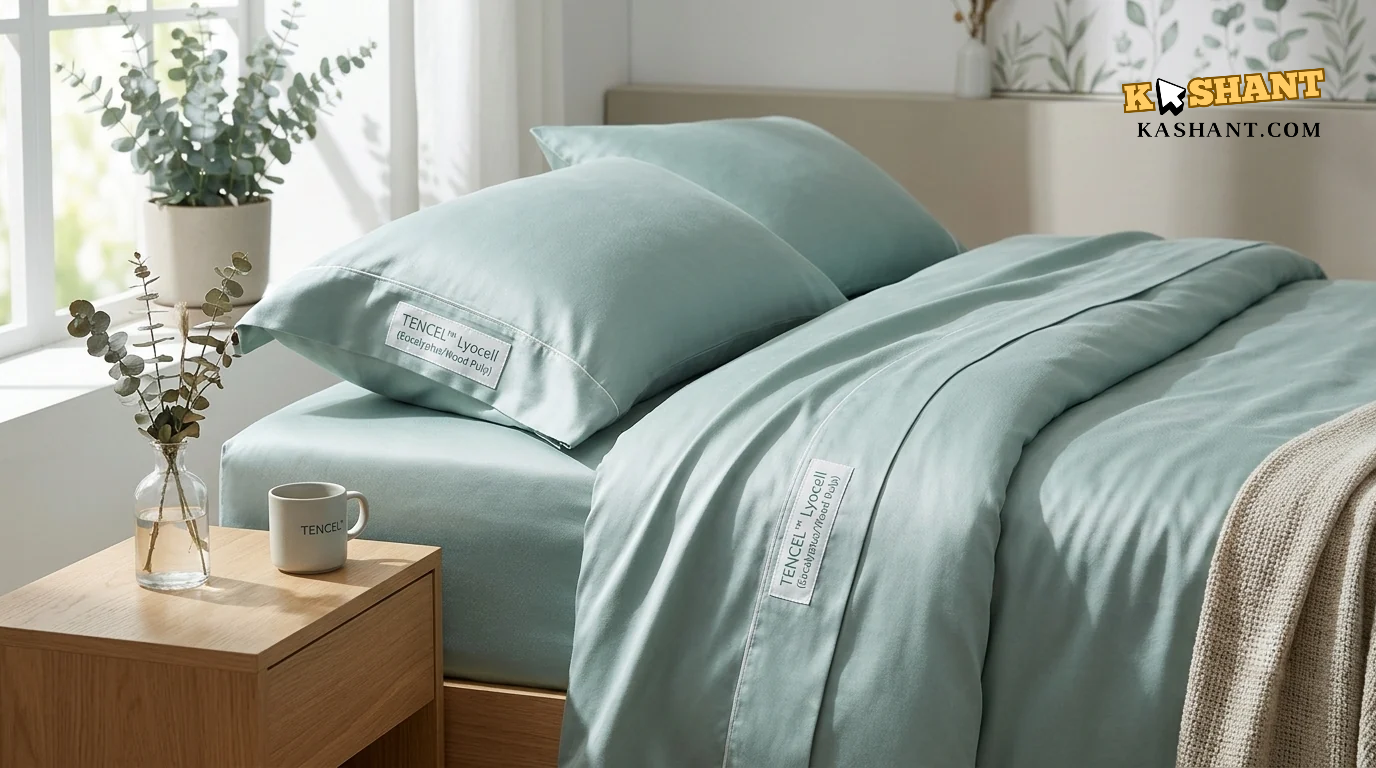
It is the best option for hot sleepers, night sweats, and active acne. TENCEL™ is a branded lyocell fiber derived from sustainably harvested wood pulp. In clinical textile testing, lyocell fibers exhibit a significantly smoother surface structure than standard cotton, resulting in noticeably less mechanical skin friction. Besides that, it comes with superior moisture management. According to fiber testing data, TENCEL™ wicks moisture up to 50% more efficiently than conventional cotton. By keeping the skin dry and cool, it minimizes conditions that foster bacterial proliferation. What's more? Hypoallergenic profile is also an outstanding feature. Lyocell's closed-loop production process recycles 99% of solvent fluids, leaving the finished fabric virtually free of residual chemical irritants. top-rated bed sheet materials for sensitive skin 2

100% Pure Mulberry Silk

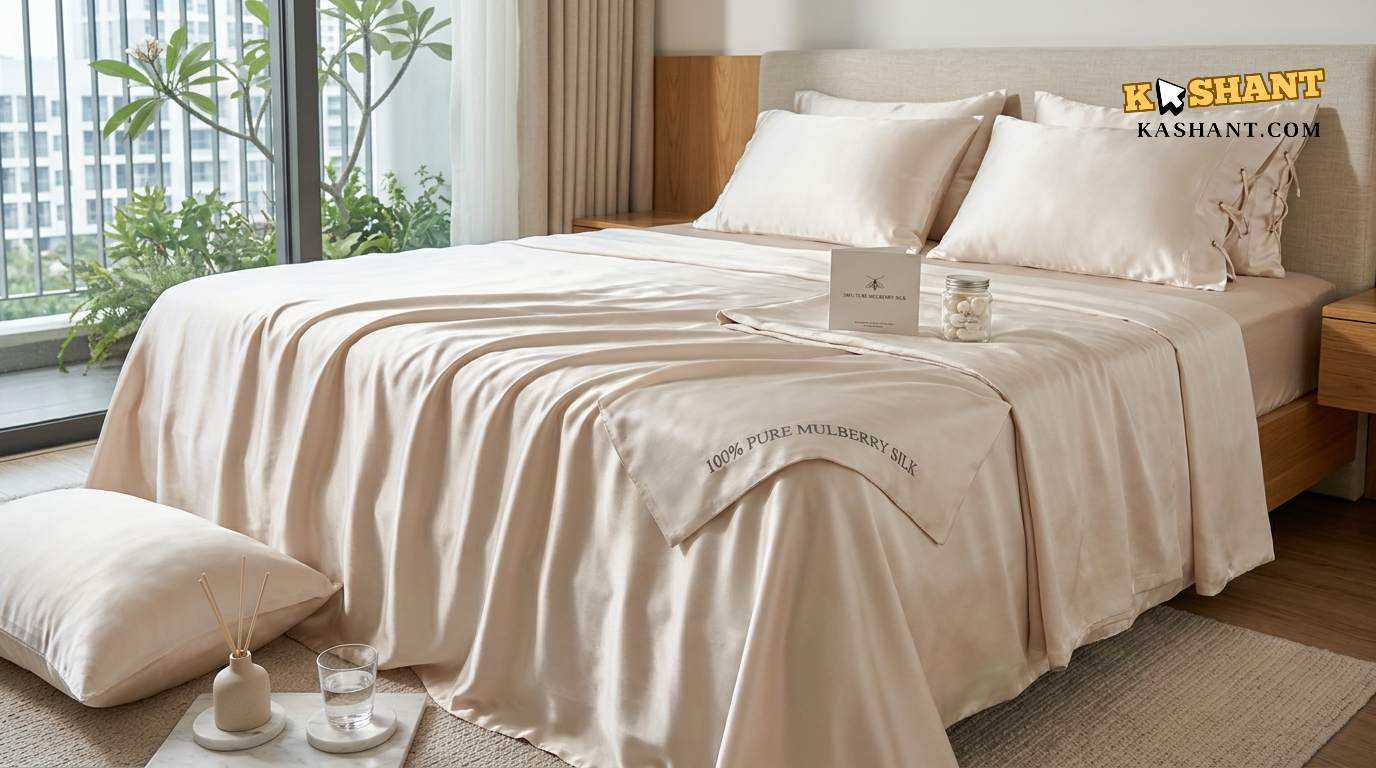
This option is for facial dermatoses, dry/aging skin, and extreme skin sensitivity. Pure Mulberry Silk (grade 6A, 19 to 22 momme) offers the lowest friction coefficient of any bedding material. Silk is composed of natural animal proteins (fibroin) containing 18 essential amino acids that closely mirror the natural building blocks of human skin. This material has zero-friction gliding. In other words, silk lets skin and hair slide across the pillowcase without pulling or creasing. Moisture retention is also an advantage. Unlike cotton, which absorbs natural oils and night creams, silk resists moisture absorption, leaving your skin barrier hydrated overnight. Dr. Patricia Farris, a board-certified dermatologist, notes that smooth silk pillowcases help reduce mechanical trauma to delicate facial skin, making them ideal for patients managing facial eczema or rosacea. top-rated bed sheet materials for sensitive skin 3

Bamboo Lyocell / Viscose

It is a great suggestion for allergy sufferers, thermal regulation, and silk-like softness at a mid-tier price. Bamboo-derived fabrics are soft, naturally cool to the touch, and naturally resistant to dust mites. When shopping, choose Bamboo Lyocell over standard bamboo viscose whenever possible. Bamboo Lyocell utilizes an eco-friendly processing method free of harsh chemicals, producing a purer, ultra-smooth sheet that is less likely to react with delicate skin. top-rated bed sheet materials for sensitive skin 4
Material Friction Level Moisture Wicking Ideal For Key Certification to Check
Organic Cotton Low Moderate Eczema, sensitive skin, all-season GOTS, OEKO-TEX Standard 100
TENCEL™ Lyocell Very low High (+50% vs cotton) Nigh sweats, acne, hot sleepers OEKO-TEX, TENCEL™ Brand Mark
Mulberry Silk Lowest Low (Preserves skin hydration) Facial aczema, anti-aging, dry skin OEKO-TEX Standard 100
Bamboo Lyocell Very low High Allergy patients, temperature regulation OEKO-TEX Standard 100
 

Bed Sheet Materials You Should Avoid

If you suffer from reactive skin or contact allergies, avoid the following fabrics against bare skin:
  • 100% Polyester & Microfiber: Synthetic petroleum-based fibers trap heat and body moisture, creating a microclimate where bacteria flourish. Microfiber also generates static electricity, which attracts dust mites and pollen.
  • Wrinkle-Free / Easy-Care Fabrics: These textiles are frequently treated with formaldehyde resins to resist creasing. Formaldehyde is a known cause of allergic contact dermatitis.
  • Standard Wool: Coarse wool fibers (above 21 microns) physically prick the skin, triggering histamine releases and severe scratching responses.

Bonus: Professional Recommendations for Spa & Aesthetic Clinic Owners

For commercial spa owners, medical estheticians, and salon managers, selecting the right bed sheets goes beyond client comfort - it directly impacts your brand reputation, client skin safety, and long-term operating costs. Prioritize High-Durability TENCEL™ or Bamboo Lyocell: Spas require frequent high-temperature laundering to maintain hygiene. TENCEL™ and Bamboo Lyocell hold up exceptionally well to industrial washing while maintaining their silky, ultra-smooth texture over time. Go for Stain-Resistant & Non-Reactive Fabrics: Organic Cotton (Sateen weave) is highly resilient against massage oils, facial serums, and body wraps. Ensure fabrics carry OEKO-TEX Standard 100 Class 1 certification to guarantee zero residual toxins touch clients undergoing sensitive skin treatments, chemical peels, or micro-needling. Opt for Neutral, Calming Tones: White, cream, or soft muted tones not only signal medical-grade cleanliness but also withstand bleach-alternative sanitizers without fading. Investing in dermatologically safe, premium spa linens reassures clients with reactive or sensitive skin that their comfort and safety are your top priorities from the moment they lie down.

Final Verdict

To protect sensitive or eczema-prone skin, prioritize OEKO-TEX or GOTS-certified Organic Cotton for classic comfort, TENCEL™ Lyocell for night sweats and acne, or Mulberry Silk for ultra-low friction care. Investing in high-quality, non-toxic bedding keeps your sleep environment cool, dry, and irritation-free all night long.
Read more...