How to Write High Converting Sales Content That Actually Sells

Writing sales content is not difficult. The difficult part is creating content that makes people stop scrolling, recognize themselves in the message, understand the value, and take action. Many marketers and business owners start with the same question: “What should I post today to sell my product?” But that is not the most important question. A better starting point is: “What does my customer actually care about, and how can my product make their life or business better?” Because customers rarely buy a product simply because of what it is. They buy the result, experience, emotion, convenience, or value behind it. A lipstick is not just a lipstick. A Head Spa bed is not just a piece of equipment. A skincare treatment is not simply a treatment. Behind every purchase is a problem, need, desire, or aspiration. Great sales content identifies that underlying motivation and connects it naturally to the

1. What Is Sales Content Really About?

Sales content is more than putting a product in front of an audience and listing:
  • Product features
  • Specifications
  • Prices
  • Promotions
  • Where to buy
That is product information. Effective sales content answers a much more important question: “Why does this customer need this solution?” For example, instead of saying: “This Head Spa bed features 4D massage, foot airbags, and an integrated water circulation system.” You could say: “Turn a traditional shampoo service into a deeper relaxation experience that customers can feel from the moment they lie down.” The product features are still there. But now they are connected to something the customer actually values. That is the difference between describing a product and selling its value. The key to writing effective sales content is to write specifically for your target audience.

The key to writing effective sales content is to write specifically for your target audience.

2. Great Sales Content Starts With Understanding Your Customer

One of the biggest mistakes in content marketing is starting to write before knowing who you are writing for. A business may know its target audience is:
  • Women
  • 25–40 years old
  • Business owners
  • Middle to high income
But demographic information is only the beginning. Go Beyond Demographics To create stronger sales content, understand:
  • What problem are they experiencing?
  • What are they trying to achieve?
  • What are they worried about?
  • What prevents them from buying?
  • What alternatives are they considering?
  • What would make them believe your solution is worth paying for?
For example, a salon owner interested in adding Head Spa services may not actually be thinking: “I need to buy a Head Spa bed.” Their real concern may be: “I want to add a new service without spending too much on renovation.” Or: “I already have a salon space. How can I add Head Spa without completely redesigning it?” Or: “I want to offer a more premium experience so I can increase the perceived value of my services.” Determine the value you will deliver to customers.

Great sales content delivers significant value to customers.

3. Don't Just Sell the Product — Sell the Value Behind It

One of the most common problems with sales content is that it focuses too heavily on the product and not enough on the customer. You may know every feature your product has. Your customer does not necessarily care about all of them. They care about one question: “What does this do for me?” A useful way to structure your message is: Feature → Benefit → Value
  • Feature
The Head Spa bed includes a 4D massage system.
  • Benefit
Customers can receive a more comprehensive massage experience during their treatment.
  • Value
The salon can create a more premium service experience and increase the perceived value of each appointment. These three levels are different. Features explain what the product has. Benefits explain what the product does. Value explains why it matters. Strong sales content takes the customer all the way to the third level. inteligente humano cerebro volador junto a bombilla idea globos, ilustrando creatividad y inteligencia en lograr éxito. concepto de capacidad a aplicar conocimiento, sabiduría, innovar y imaginación 44009176 Vector en Vecteezy

The concept will determine how online sales content is written.


4. Content Writing Formula: Problem → Insight → Solution → Value

Instead of starting with: “Our new product…” Start with the customer's problem. A simple yet effective structure: Step 1: Problem What challenge is the customer facing? Step 2: Insight – What truly matters to them Why is that problem significant to them? Step 3: Solution How does the product or service address that problem? Step 4: Value What does the customer gain once the problem is resolved? Example: Problem: Want to add a Head Spa service but don't want to tear up the plumbing system? Insight: Many salons already have treatment beds but are reluctant to invest in costly plumbing renovations. Solution: A portable Head Spa system with integrated fresh water and wastewater tanks. Value: Flexibly add Head Spa services without altering the existing plumbing infrastructure. This is the moment the content begins to sell without the need for a heavy-handed sales pitch. How to Write High Converting Sales Content That Actually Sells

Researching customers effectively will help ensure that sales content is better received.

Exceptional sales content stems from deep understanding, not merely from words on a page. When you truly grasp a customer's needs, pain points, and motivations, your content transcends the role of a standard persuasive piece—it becomes a bridge connecting the customer's problem to the solution you offer. The goal of effective sales content and content marketing is not just to capture attention, but to build trust, convey value, and guide customers toward making the right decision. Ultimately, the most effective sales content does not feel like a hard sell. Instead, it presents itself as a solution to a problem the customer clearly recognizes.
Read more...

Hair Salon Design Trends in the US 2026

The US beauty industry is constantly evolving, and today, hair salons are no longer judged solely on the quality of their services. As we approach 2026, salon owners are investing more heavily in interior design, customer experience, and high-end equipment to create professional, luxurious, and memorable spaces. Modern clients desire more than just a great hairstyle; they expect an environment that is relaxing, sophisticated, and impressive enough to share on social media. From modern minimalist styles and spa-like atmospheres to the use of ergonomic furniture and eco-friendly materials, 2026 design trends focus on balancing aesthetics with functionality. Whether you are opening a new salon or planning to renovate an existing space, staying abreast of the latest design trends will help your salon stand out in the market, enhance the customer experience, and create a sustainable competitive advantage.

Why Is Hair Salon Design Important?

Salon design goes beyond mere decoration; it is a factor that directly influences how customers perceive the brand. Numerous studies in the retail and service sectors have shown that the surrounding environment significantly impacts emotions, purchasing decisions, and the likelihood of customer return visits. A well-designed salon offers numerous benefits, such as:
  • Creating a professional impression from the very first visit.
  • Providing a sense of relaxation and comfort throughout the service experience.
  • Enhance staff productivity through an efficient spatial layout.
  • Encourage customers to take photos and share them on social media.
  • Build a professional brand image.
  • Increase customer retention and word-of-mouth referrals.
Today, successful salons pay attention to every detail—such as lighting, color schemes, interior materials, and workspace layout—to create a flawless customer experience.

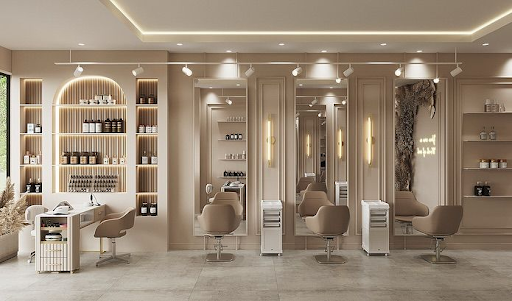
Luxurious hair salon interior featuring modern lighting.

A professionally designed space creates a strong first impression and elevates the customer experience.

Hair Salon Design Trends in the US for 2026 1. Modern Minimalist Style

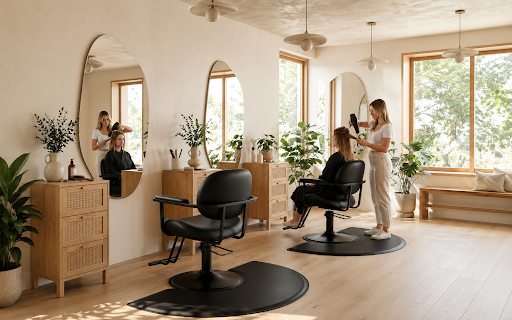
Minimalist design remains a popular choice for many US salons in 2026. Spaces are optimized through clean lines, neutral color palettes, and airy layouts, creating a sense of spaciousness and sophistication. Common elements include:
  • White, beige, and light gray tones.
  • A combination of wood and natural stone furnishings.
  • Built-in storage cabinetry.
  • Large mirrors to visually expand the space.
  • Open-concept design.
This style not only delivers a modern look but also ensures the salon maintains its aesthetic appeal over time. A modern hair salon featuring a minimalist style.
2. Salon Spaces That Offer a Relaxing Experience

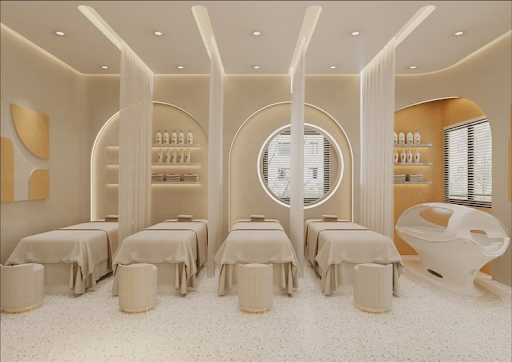
The "Wellness Beauty" trend is gaining momentum, transforming salons from mere hair styling venues into destinations for relaxation and self-care. Many salons are now investing in:
  • Head Spa areas.
  • Premium, relaxing shampoo chairs.
  • Luxurious waiting areas.
  • Soft, soothing lighting.
  • Aromatherapy scents.
  • Greenery for decoration.
  • These elements help clients feel at ease, turning every salon visit into a memorable experience.

A luxurious Head Spa area within the salon.
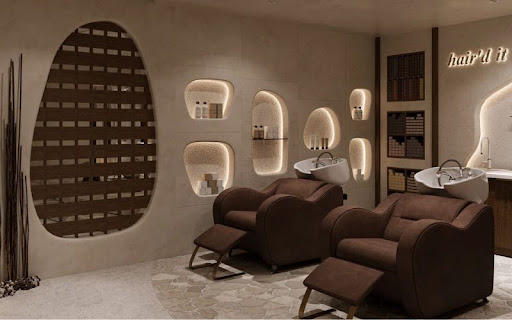

Integrating relaxation services enhances the overall customer experience.

3. High-End Salon Furniture and Equipment

Comfort has become a key factor that sets modern salons apart. Salon owners are willing to invest in:
  • Ergonomic cutting chairs.
  • Premium shampoo beds.
  • Luxurious waiting chairs.
  • High-quality cabinetry and workstations.
  • Modern styling stations.
Using high-quality equipment not only enhances client comfort but also reduces physical strain on technicians while they work.

Professional salon equipment ensures comfort.

4. An "Instagram-Worthy" Space

In the age of social media, a beautiful salon does more than just serve clients—it acts as a powerful marketing tool. Many salons invest in design features such as:
  • "Check-in" corners.
  • Mirrors perfect for photos.
  • Neon signage.
  • Luxurious reception desks.
  • Unique decorative lighting.
These areas encourage clients to share photos on Instagram, Facebook, or TikTok, helping the salon reach new customers without significant advertising costs.

A great photo spot within the hair salon.

An attractive space encourages customers to share their experiences on social media.

The Role of High-End Salon Furniture and Equipment

Furniture and equipment are not merely "support" elements; they are core components that shape the service experience. A modern salon must ensure: - Aesthetics that align with the brand identity - Maximum comfort for clients - Optimized functionality for staff - Durability and longevity In particular, equipment such as styling chairs, shampoo beds, and styling stations plays a crucial role in defining service quality.

Key Considerations for Modern Salon Design

To build a successful salon in 2026, keep the following in mind: - Prioritize the customer experience over mere decoration - Invest in both natural and specialized lighting - Design a flexible, scalable space - Select durable, easy-to-clean furniture - Optimize the flow of movement within the salon - Create a distinct brand focal point - Incorporate "Instagrammable" elements A good design is not only visually appealing but also facilitates efficient operations.

Conclusion

Hair salon design trends in the US for 2026 go beyond modern aesthetics, focusing equally on customer experience, convenience, and sustainability. Investing in high-quality space, interiors, and equipment helps elevate a salon's brand image, create a distinctive identity, and boost long-term customer retention. Amidst rising customer expectations, a salon designed with a smart layout, a touch of luxury, and a relaxing atmosphere will always maintain a competitive edge in the market. If you are planning to open a new salon or renovate an existing one, select the right equipment and interior solutions to create a professional, modern space that delivers an exceptional customer experience.
Read more...